
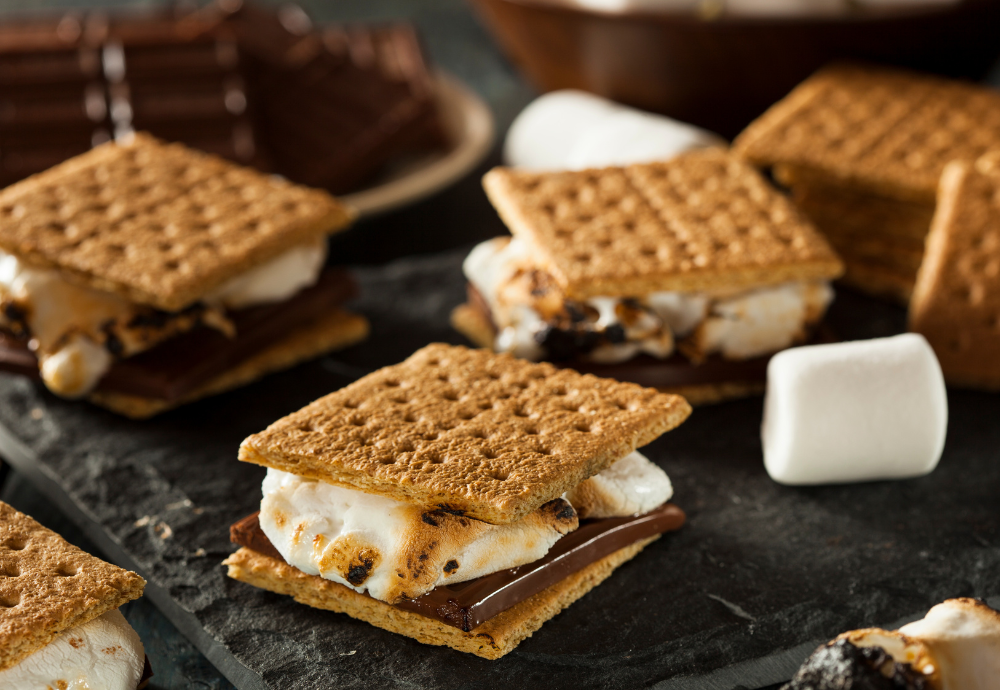
Can You Roast Marshmallows Over a Bioethanol Fireplace?
There's something undeniably appealing about gathering around a real flame. Whether it's a cosy evening indoors or a summer night spent around a fire pit, flames naturally create a warm and inviting atmosphere. It's no surprise that many homeowners ask the same question after installing a bioethanol fireplace:
Can you roast marshmallows over a bioethanol fire?
While it might seem harmless, the answer is simple: we don't recommend it.
Why People Ask
Bioethanol fireplaces produce genuine flames, creating an authentic fire experience without the need for a chimney, flue, or traditional fuel sources. Unlike wood-burning stoves and open fires, they burn cleanly and leave behind no ash, soot, or smoke.
Because the flames look similar to those of a traditional fire, many people naturally wonder whether they can be used in the same way for roasting marshmallows or even warming food.
Understanding How Bioethanol Fires Work
A bioethanol fireplace burns bioethanol fuel, a renewable alcohol-based liquid derived from plant materials. When burned correctly, bioethanol produces a clean flame with minimal emissions, making it a popular choice for modern homes and apartments.
However, despite its clean-burning properties, a bioethanol fireplace is not designed as a cooking appliance. The flames are intended to provide ambience and supplementary heat rather than prepare food.
Is It Safe to Roast Marshmallows Over a Bioethanol Fire?
Although the flames themselves may appear suitable for toasting marshmallows, there are several reasons why it isn't recommended.
Fuel Vapours
Bioethanol is a highly refined alcohol fuel. While modern fireplaces are engineered to burn efficiently, traces of fuel vapours can still be present around the burner area. Exposing food directly to these vapours is not advisable and may affect both taste and safety.
The Fireplace Wasn't Designed for Cooking
Traditional campfires, outdoor fire pits, and barbecues are specifically designed with cooking in mind. Bioethanol fireplaces are not.
Attempting to cook over a bioethanol burner can interfere with the safe operation of the appliance and may create unnecessary risks.
Risk of Dropping Food into the Burner
Melted marshmallows can become sticky and difficult to control. If food or debris falls into the burner, it can affect performance and create cleaning challenges that could impact future use of the fireplace.
What Should You Use Instead?
If roasting marshmallows is part of the experience you're looking for, consider using:
An outdoor fire pit
A charcoal barbecue
A gas fire pit designed for cooking
A traditional campfire in a suitable outdoor setting
These heat sources are specifically intended for food preparation and offer a safer, more enjoyable cooking experience.
Enjoy Your Bioethanol Fireplace for What It Does Best
The real beauty of a bioethanol fireplace lies in its ability to create a stunning focal point within your home. With dancing flames, modern styling, and clean-burning technology, it provides all the atmosphere of a traditional fire without many of the associated maintenance requirements.
Whether you're relaxing with family, entertaining guests, or simply unwinding after a long day, a bioethanol fireplace delivers warmth and ambience in a way few home features can match.
Final Thoughts
While roasting marshmallows over a bioethanol fireplace may sound like a fun idea, it's not something manufacturers or fireplace specialists recommend. Bioethanol fires are designed for aesthetics and comfort rather than cooking.
If you're craving toasted marshmallows, save them for the barbecue, fire pit, or campfire. Your bioethanol fireplace will continue doing what it does best—creating a beautiful, relaxing atmosphere that you can enjoy all year round.